Tooth Decay Treatment in Mount Kuring-Gai

Notice signs of tooth decay? Don’t wait! Tooth decay, also known as dental caries or cavities, is one of the most common dental problems. It occurs when the enamel, the outer layer of your tooth, is damaged by acids produced by bacteria in your mouth.

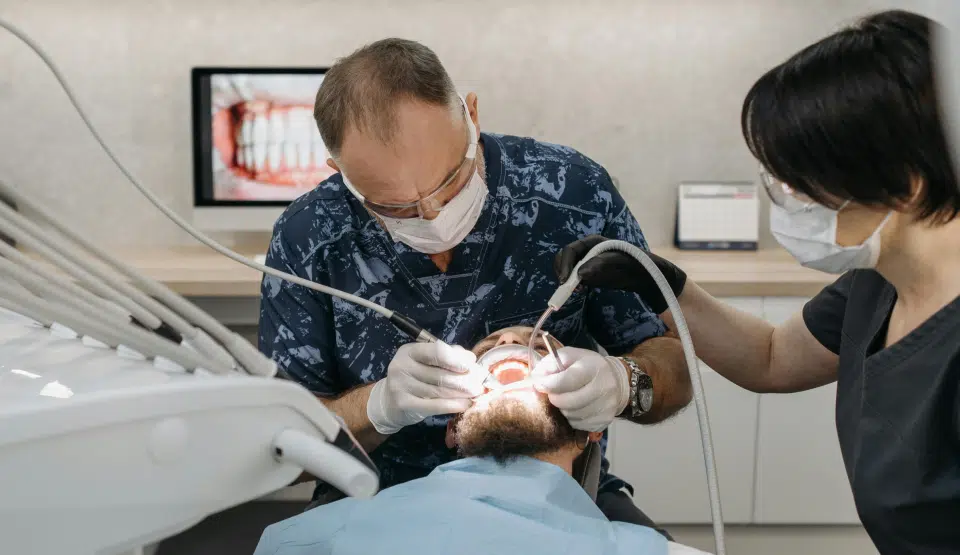
At Mount Kuring-Gai Dental, we assess decay carefully and treat it using modern, minimally invasive techniques, with a strong focus on preserving as much healthy tooth structure as possible and tailoring care to suit individual needs and comfort.
Common Causes of Tooth Decay

Tooth decay often develops due to a combination of everyday habits and oral conditions. Poor oral hygiene allows plaque to build up, while frequent snacking, especially on sugary or acidic foods feeds harmful bacteria that produce enamel-damaging acids. Reduced saliva flow, commonly known as dry mouth, can also increase risk, as saliva plays a key role in neutralising acids and washing away bacteria.

Routine check up and cleans are essential to maintain a clean, healthy smile and timely catch any potential issues before they eventuate.

How do I know I have tooth decay?

In majority cases, tooth decay is accompanied by tell-tale signs that causes discomfort. Some common indications of tooth decay are as follows:

  • Toothache: Persistent pain that can range from mild to severe.
  • Sensitivity: Discomfort when eating or drinking something hot, cold, or sweet.
  • Visible Holes or Pits: Noticeable cavities in your teeth.
  • Staining: Brown, black, or white stains on the surface of a tooth.
  • Bad Breath: Persistent bad breath or a bad taste in your mouth.

Book your 6-monthly Dental Check-up & Clean- Prevent Tooth Decay

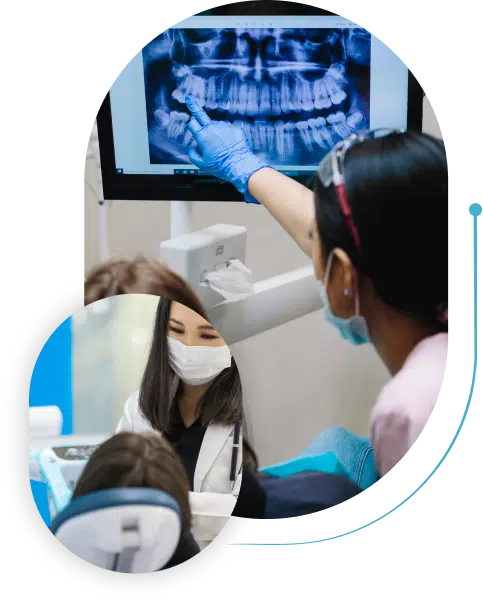
Regular dental visits every 6 to 12 months allow early detection of tooth decay, often before a filling or other treatment is needed.  Our dentist can identify tooth decay in its early stages, allowing for preventative care to reduce its severity.

We offer gap-free to low out-of-pocket fee check up and clean for eligible private health insurance members and children with CDBS eligibility.